The Power of Words
“Sticks and stones may break my bones, but words can never hurt me.”
This is one of the first rhymes most of us learned as children. But as we grow, we begin to understand that this phrase is far from true. Words can hurt. In fact, they can leave deep emotional scars that linger long after physical pain fades. Today, I want to talk to you about the power of words—their impact on the people around us and the responsibility we carry when we speak.
The Apple Illustration
Let me start with a simple illustration:
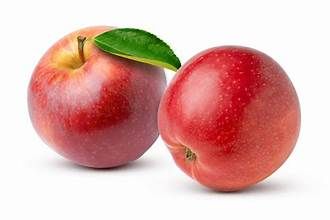
Imagine we have two apples. On the outside, they look identical—same color, same size, and no visible blemishes. We’ll take Apple 1 and speak kindly to it. We’ll praise it, hold it gently, and offer words of encouragement. Then we take Apple 2 and say, “I hate you,” “You’re stupid,” “You’re a failure,” while aggressively hitting it on the table with each phrase.
Now, we place the apples side by side. From the outside, they still appear identical. But when we cut them open, Apple 1—the one that was treated with care and kindness—remains fresh and juicy inside. Apple 2, however, is bruised and damaged within, even though it looks fine on the surface. Words matter.
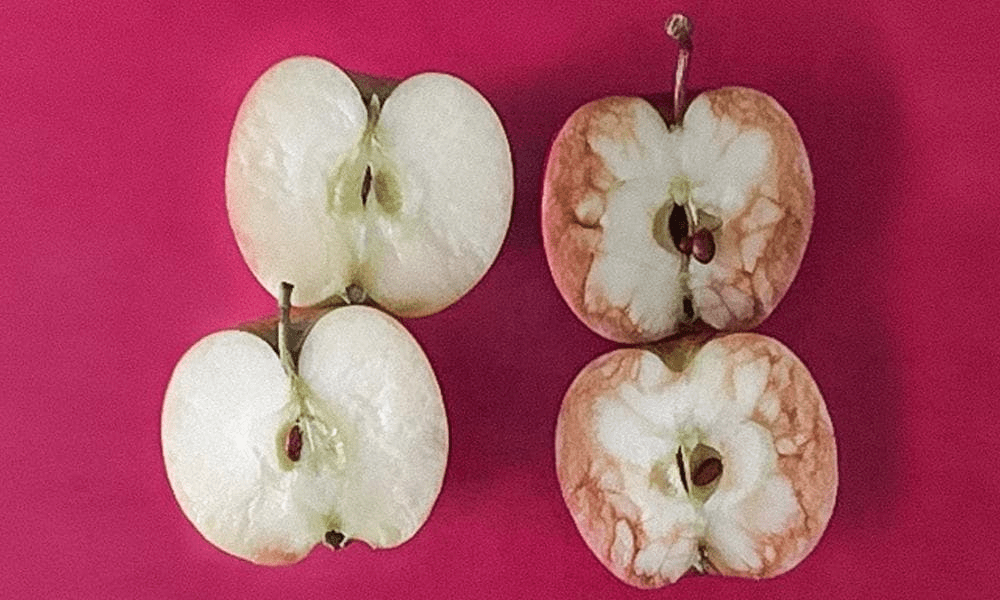
Just like the bruised apple, people may carry invisible damage from the hurtful words spoken to them. Though we may think our words have no lasting effect, they often leave deep, unseen wounds.
The Consequences of Our Words
As Proverbs 18:21 reminds us, “Death and life are in the power of the tongue, and they that love it shall eat the fruit thereof.” Every word we speak has consequences. The words we choose will either bring life—joy, confidence, encouragement—or they will bring death—hurt, insecurity, doubt.
As the saying goes, “The tongue has no bones, but is strong enough to break a heart.” Words, no matter how small, have the power to inspire or to devastate.
Teasing, Joking, and Sarcasm: When Humor Hurts
Sometimes we hide behind humor—teasing, joking, or using sarcasm—in an attempt to be playful or funny. But we must remember, there’s often a little truth in every joke. No matter how innocent it seems, words meant as a joke can still hurt.
Have you ever heard someone say, “I was just kidding,” after making a harsh comment? Sure, they may not have meant to cause harm, but the sting of their words can linger long after the laughter dies down. It’s easy to dismiss a cutting remark as “just a joke,” but if it hits close to home, the person on the receiving end may carry that with them. Over time, these small, seemingly harmless jokes can chip away at someone’s self-esteem.
The People We Hurt the Most: Our Loved Ones
It’s important to acknowledge that the people we often hurt the most with our words are the ones closest to us—our spouses and our children. They see us at our worst, when we’re stressed or overwhelmed, and they often bear the brunt of our frustrations. We sometimes forget that our family, the ones we love the most, are not only precious to us but also to God. They are His creations, just like we are.
In moments of frustration, it’s easy to let sarcasm or harsh words slip out, but those words can damage the relationships we hold dearest. We must remind ourselves of the value of those around us and choose our words carefully.
Closing Thoughts: Responding to Harshness
In conclusion, as we navigate our daily interactions, let us remain mindful of the power our words hold. Just as we strive to communicate with kindness, it’s equally important to consider how we respond when faced with harshness. Whether we encounter unkind words directed at ourselves or witness others being mistreated, our reactions can create a ripple effect of positivity or negativity.
By pausing before we respond, approaching with empathy, and choosing to model kindness, we can transform these challenging moments into opportunities for growth and healing. Remember, as Proverbs 25:15 (KJV) reminds us, “By long forbearing is a prince persuaded, and a soft tongue breaketh the bone.” Together, let’s commit to speaking life into those around us and responding with grace, reflecting the love and kindness that we all deserve.


Leave a reply to Courtney Racho Cancel reply